 Canada
 Australia


Golf Physiotherapist Toronto
Golf injuries left untreated can affect your game for seasons to come. At Ace Sports Clinic Toronto, we treat every level, helping you recover faster and play longer.

GET BACK ON THE COURSE
- Evidence-based golf injury treatment
- Personalized rehab and advice
- Return to golf with confidence
- Strengthen and protect your body
- Recover faster from golf injuries
- Performance support for all levels

Golf Physiotherapy in Toronto
Golf may not be a high-impact sport, but the repetitive rotation, force and movement of the golf swing can place significant stress on the body. Limited mobility, strength or technique can increase the risk of pain and injury.
Our golf physiotherapy can help with:
- Golf injury assessment and treatment
- Golf rehabilitation and return-to-play programs
- Mobility and strength limitations
- Swing-related pain and movement issues
- Injury prevention
- Golf-specific performance training
At Ace Sports Clinic Toronto, we assess golf-related injuries based on your movement patterns, playing demands and goals. Whether you have an acute injury, ongoing pain or a swing limitation, we identify the underlying issue and develop a rehabilitation plan to get you back on the course.
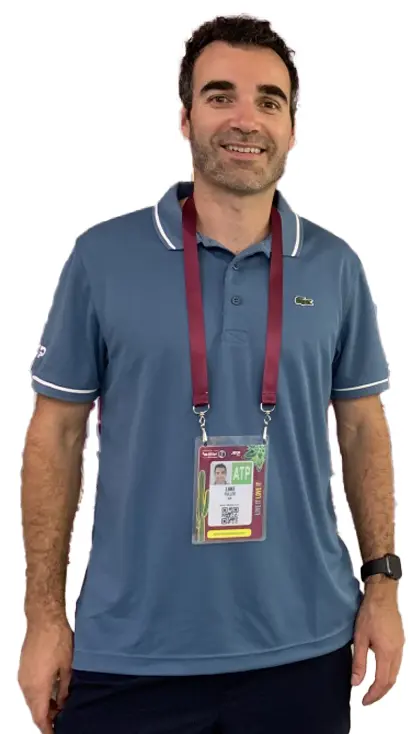
Highly Qualified Golf Physiotherapists
Every practitioner at Ace Sports Clinic Toronto holds a university degree and undergoes advanced training in the assessment, diagnosis, treatment and management of acute and chronic musculoskeletal conditions before becoming an Ace-Certified Practitioner.
Our multidisciplinary team brings together physiotherapy, osteopathy, strength and conditioning, and hands-on manual therapy to provide comprehensive care for golf injuries. We consider how your injury, movement, strength and playing demands are connected to help you recover and return to the course safely.

Golf Injuries We Treat in Toronto
Golf injuries can develop gradually through repetitive movement or occur suddenly during a swing. The lower back, shoulders, elbows, wrists and hips are particularly susceptible to golf-related pain and injury.
From chronic overuse conditions to acute injuries, our Toronto golf physiotherapists treat a wide range of golf-related injuries, including:
- Lower Back Pain
- Shoulder Pain & Injuries
- Golfer’s Elbow (Medial Epicondylitis)
- Tennis Elbow (Lateral Epicondylitis)
- Wrist & Hand Injuries
- Hip Pain & Hip Injuries
- Knee Pain & Knee Injuries
- Chronic & Recurring Golf Injuries
Book your assessment with Ace Sports Clinic Toronto today.
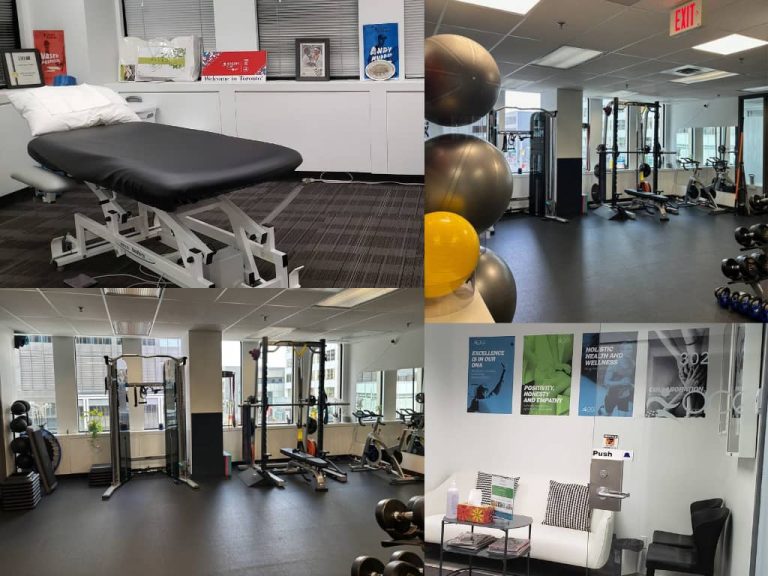
Toronto's Golf Injury & Performance Clinic
Golf demands mobility, strength, balance and rotational control, and our physiotherapists consider how these factors interact when assessing your injury and building your rehabilitation program.
We look beyond the painful area to understand how your movement patterns, strength and physical demands may be contributing to your symptoms. Your treatment may combine hands-on therapy with targeted exercises and golf-specific rehabilitation to restore function and get you back on the course.
We don’t stop at recovery. As you return to play, our practitioners work with you to rebuild strength, restore movement quality and develop the physical resilience to train harder and play with confidence.
Every treatment plan is personalized, our approach is evidence-based, and every practitioner is Ace-Certified.
Our Values
Simply, we believe in providing outstanding care.
Our golf physiotherapy clinic is based on a set of values that we live by every day:
- Holistic health and wellness incorporating mind, body and spirit
- Positivity, honesty and empathy
- Collaboration of a multi-skilled team means better outcomes for our clients
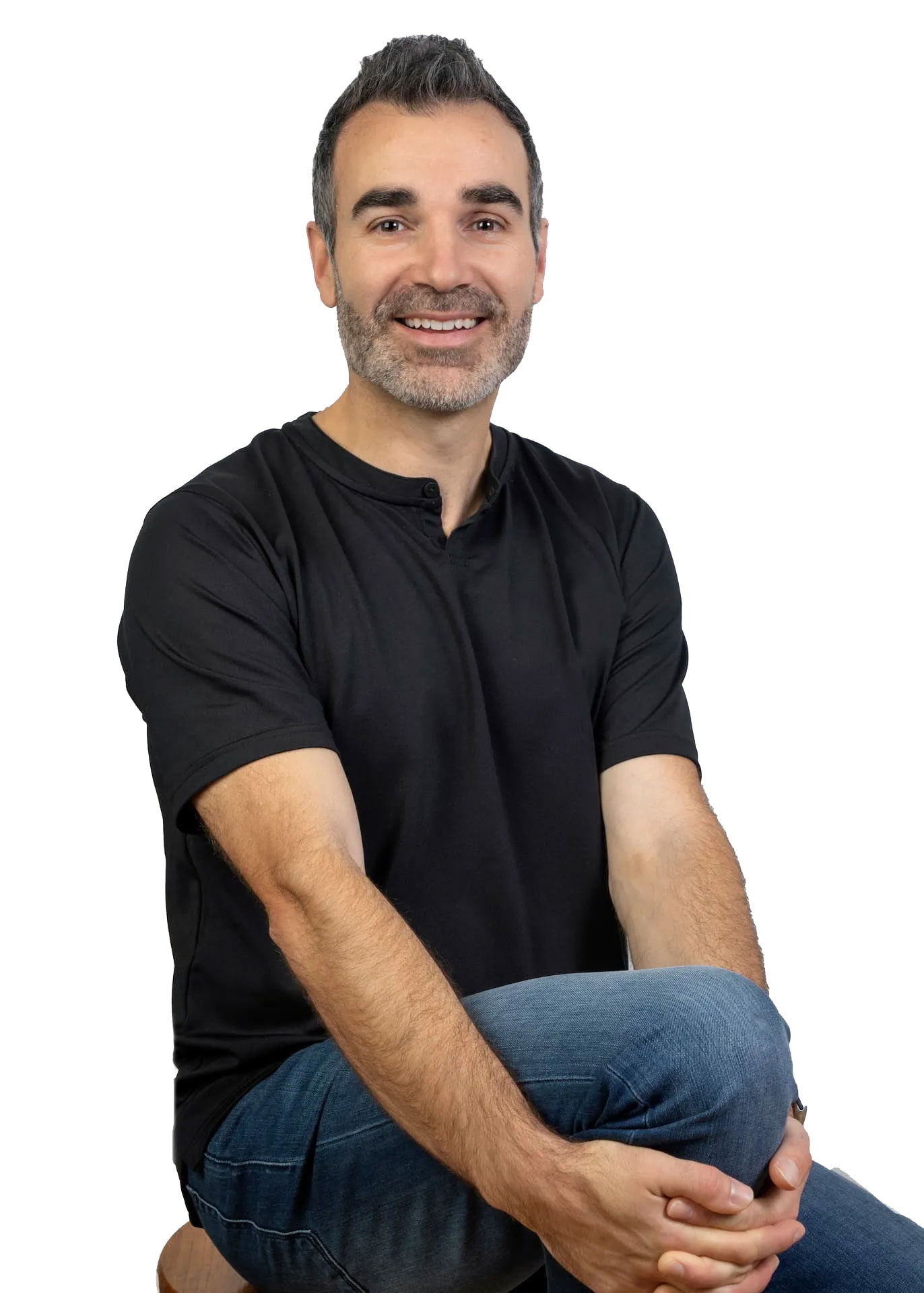
Our World-Class Golf Physio Team



Explore Our Therapies

Physiotherapy

Registered Massage Therapy
Kinesiology
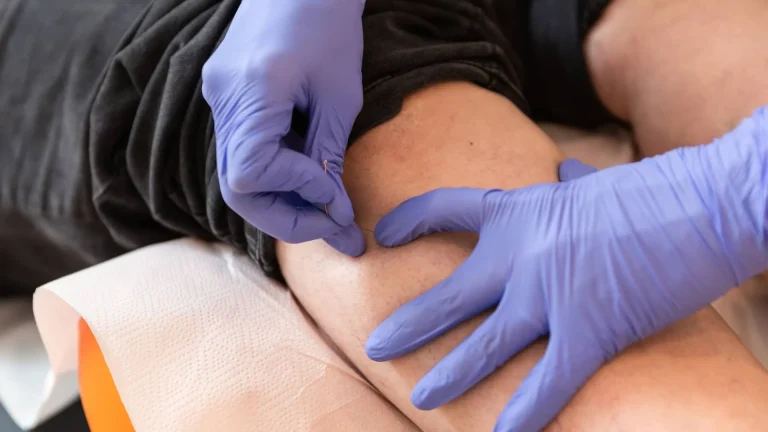
Dry Needling
Helping You Live Your Best Life

Frequently Asked Questions
In most cases, you do not need a referral to see a physiotherapist for a golf injury. A referral may be required for certain insurance or funding arrangements.
Most golf injuries result from the repetitive, high-torque nature of the golf swing, combined with factors such as poor technique, muscle imbalances, limited mobility or inadequate warm-up.
Yes. Golf physiotherapy can address mobility, strength and movement limitations that affect swing mechanics, helping support more efficient movement and improved performance on the course.
No. Golfers without a current injury can use physiotherapy assessments to identify movement limitations, strength imbalances or other issues that could contribute to pain or affect their game.
Golf physiotherapy focuses specifically on the biomechanics of the golf swing and the physical demands of the sport. Assessment and treatment are adapted to the golfer’s movement patterns, needs and goals.
Yes. Physiotherapy can be adapted for golfers of all ages and fitness levels, from junior players to seniors managing stiffness, reduced mobility or age-related changes.
Golf-related pain may worsen or persist if the underlying cause is not addressed. It can also lead to compensatory movement patterns that place additional stress on other areas of the body.
If you experience pain during your golf swing, it is a good idea to seek professional advice. Continuing to play through pain may aggravate the underlying problem and delay recovery.
Yes. A physiotherapy assessment can identify mobility restrictions, strength imbalances and movement issues that may increase injury risk. Addressing these factors can help prevent injuries and keep you playing.
Golf places repetitive stress on the lower back, shoulders, elbows, wrists and hips. These areas are commonly affected by the demands of the golf swing and repetitive practice or play.
Request an Appointment
Call Us
1-833-266-5223
Visit Us
1 St Clair Ave. West, Suite 302
Toronto, ON M4V 1K6 Canada
Opening Hours
Mon-Fri: 8:00am – 7:30pm
Sat: 8:00am – 1:00pm