 Canada
 Australia

Rotator Cuff Injuries
Ace Sports Clinic Toronto offers customized treatment for both acute and chronic rotator cuff injuries.
MOVE WITHOUT LIMITS
- Science-based healthcare
- Get expert advice
- Improve your quality of life
- Improve strength and flexibility
- Restore movement after injury
- Move freely without pain
Individualized, Multi-Disciplinary Care for Rotator Cuff Injuries
The rotator cuff consists of four muscles and tendons that stabilize the shoulder and allow for lifting and rotation. Injuries—ranging from inflammation, tendinopathy, and partial tears to complete detachment—are common, often resulting from overuse, repetitive overhead movements, or sudden trauma.
Our customized rotator cuff treatment plans may include:
Clinical and physical assessments to analyze movement patterns and identify underlying causes
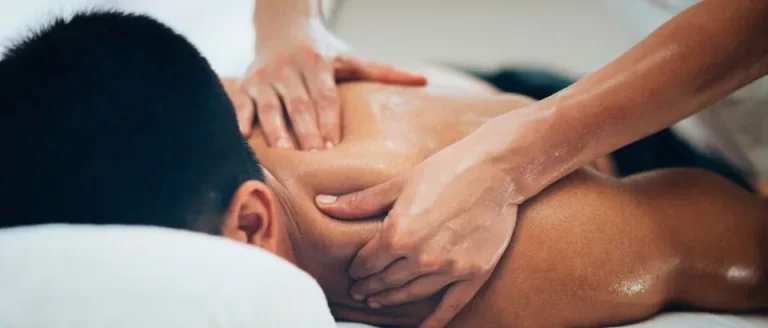
Soft tissue therapy to relieve muscular tension, stress, and stiffness
Joint articulation to reduce pain and stiffness while improving mobility
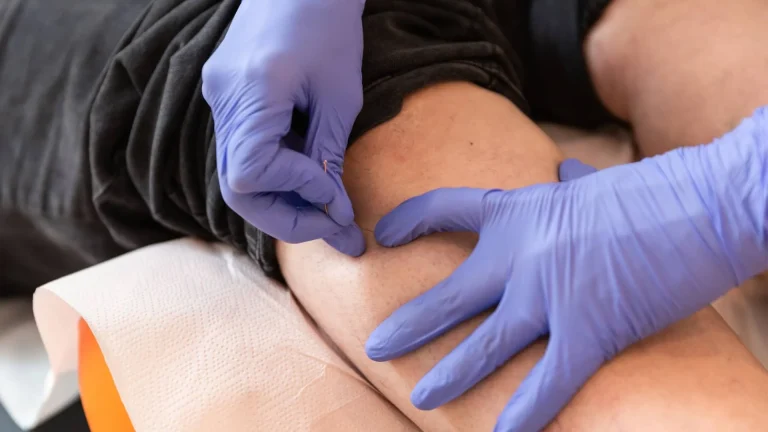
Dry needling to alleviate pain and decrease muscle tension by targeting trigger points
Personalized advice addressing contributing and sustaining factors
Prescription of strengthening, stretching, and mobility exercises to enhance shoulder function and prevent recurrence
Collaboration with our multidisciplinary healthcare team to assess and optimise all aspects of your health and well-being
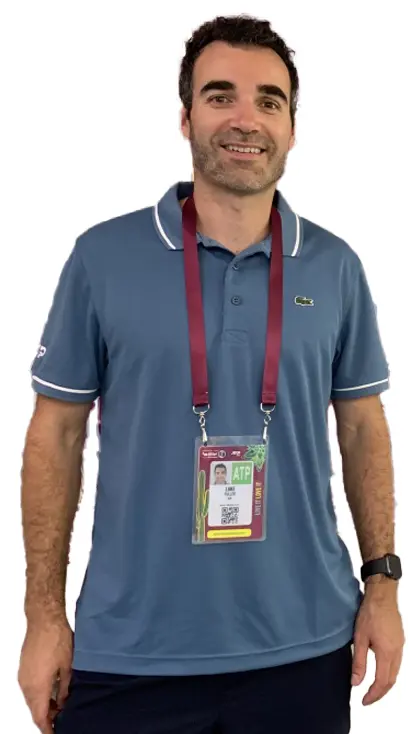
Highly Qualified Rotator Cuff Physiotherapists
At Ace Sports Clinic Toronto, our team is trusted by weekend warriors and elite athletes worldwide, with extensive experience in tennis and other overhead sports. We’ve helped countless clients find lasting relief from rotator cuff pain and shoulder-related injuries. From acute rotator cuff injuries and chronic or age-related degeneration to impingement or general shoulder discomfort, our skilled Ace Certified Practitioners can provide the expert care you need.
Speed Up Recovery From a Rotator Cuff Injury with Targeted Physiotherapy
Physiotherapy not only addresses your current injury but also enhances shoulder stability and muscle strength to reduce the risk of future injuries—helping you return to work, sport, and daily activities with confidence. Whether you’re serving at over 200 km/h, lifting boxes, or playing with your grandkids, our customized programs are designed to get you back to doing what you love.
Common rotator cuff injury symptoms
Rotator cuff pain can present as:
- Weakness lifting your arm, reaching, or performing overhead tasks.
- Clicking, popping, or stiffness when moving the shoulder
- Pain on the front or side of the shoulder, worse at night, which can impact your sleep.
Types of rotator cuff pain we treat
The rotator cuff is a group of four small muscles and their tendons that play an important role in keeping your shoulder stable and moving smoothly. Because we use our shoulders for so many daily activities—lifting, reaching, throwing—rotator cuff injuries are very common. These injuries can vary in type and severity, but most fall into a few main categories:
1. Tendinitis (irritation of the tendons)/ Tendinosis/ Tendinopathy:
This happens when the tendons in the rotator cuff become inflamed from overuse, repetitive movements, or poor posture. You may notice pain when lifting your arm, reaching overhead, or doing activities like hanging out the washing or throwing a ball. The ability of the Rotator Cuff tendons to withstand your daily activity demands is impaired.
2. Bursitis (inflammation of the cushioning sacs):
Near the rotator cuff tendons are small fluid-filled sacs called bursa, which help reduce friction & enhance movement. When a bursa becomes irritated, it can cause pain, impingement and limit your shoulder motion, often in conjunction with tendinitis or tendinopathy.
3. Partial tears:
Sometimes the tendon develops small tears or fraying, but it isn’t completely torn. This may cause weakness, pain with movement, or a feeling that the shoulder isn’t as strong as it used to be. With partial tears we remove the symptoms with hands-on manual therapy and then strengthen and heal with specific exercises proven to help rotator cuff function.
4. Full-thickness (complete) tears:
In more severe cases, the tendon can completely tear away from the bone. This might happen suddenly with an acute traumatic injury, such as falling onto the arm or lifting something heavy. Acute traumatic tears are more common in young, active people and cause immediate pain and loss of strength.
Full-thickness tears may also develop gradually over time following multiple partial tears that have weakened the rotator cuff tendons. A full tear often causes significant weakness and difficulty lifting or rotating the arm and an accurate clinical assessment and MRI is often needed for diagnosis.
5. Degenerative changes:
As we age, the blood supply to the tendons reduces, making them more prone to wear and tear. Over time, this can lead to chronic irritation or tears without a single obvious injury. Addressing any imbalances and strengthening surrounding muscles is important to restore shoulder function.
Treatment protocol for rotator cuff injuries
Rotator cuff injuries can often be managed successfully with the right treatment approach. The best option will depend on the type and severity of the injury, as well as your goals and daily activities. Treatment usually begins with conservative care, physiotherapy, osteopathy and massage, but in some cases surgical options may be necessary.
Non-Surgical Treatments
Relative rest and activity modification: Avoiding painful or overhead movements to allow healing.
Physiotherapy exercises: Targeted strengthening to help heal the tendons, restore movement and enhance shoulder stability. Stretching specific muscles to resolve any compensations or muscle imbalances.
Manual therapy: Hands-on techniques to relieve discomfort, improve circulation and restore full shoulder range of motion. Articulation of the shoulder and back to reduce stiffness and optimise function.
Heat or ice therapy: Used to manage pain and inflammation, depending on the stage of injury.
Anti-inflammatory medication (NSAIDs): Can help reduce pain and swelling (as recommended by a GP).
Advice: Ergonomic, sleeping and sports-specific advice to improve posture and unload painful tissues.
Corticosteroid injections: Sometimes used to reduce inflammation and provide temporary relief in more painful cases. Platelet-Rich Plasma (PRP) injections maybe used to encourage healing.
In instances where surgery is necessary, we can provide support for ‘pre-hab’ before, and ‘rehabilitation’ post surgery. This includes:
Gradual strengthening program: Tailored exercises to regain strength and prevent recurrence.
Post-surgery physiotherapy: Structured rehab to restore function after surgical repair.
Ongoing rotator cuff conditioning: A custom, ongoing exercise plan to support mobility and reduce future risk.
- Sport-specific strength & conditioning: Return to sport with confidence following a rigorous, strength and conditioning program devised for your specific sport or activity.
About Our Toronto Clinic
Here at Ace Sports Clinic Toronto, our mission is to inspire high performance through positive and personalized care. We are dedicated to improving your overall health and well-being by providing the highest standard of care in a full-service, professional and collaborative environment.
Focusing on your specific needs, our Toronto team of therapists work together to provide a positive experience that helps you achieve your goals and live life to the fullest. Contact us today to see how we can help you finally get relief from rotator cuff pain!
Our Values
Simply, we believe in providing outstanding care.
Our clinic is based on a set of values that we live by every day:
- Holistic health and wellness incorporating mind, body and spirit
- Positivity, honesty and empathy
- Collaboration of a multi-skilled team means better outcomes for our clients
Explore Our Therapies
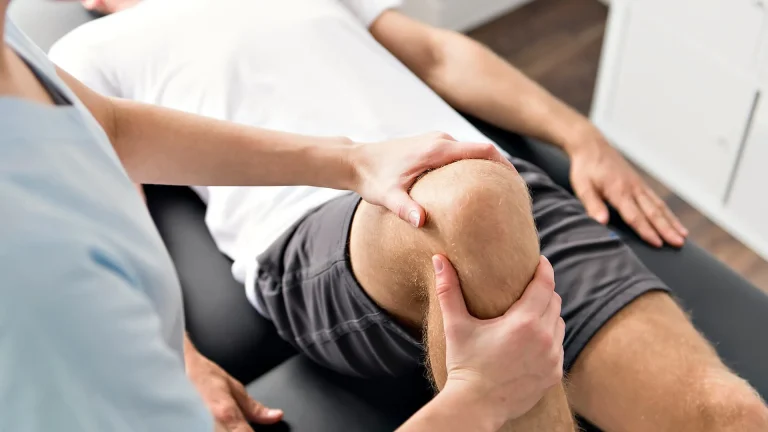
Physiotherapy
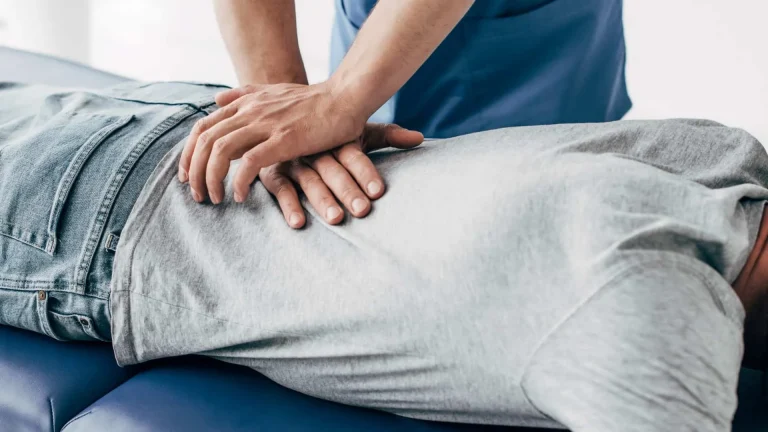
Osteopathy
Registered Massage Therapy
Kinesiology
Dry Needling
Helping You Live Your Best Life

Request an Appointment
Frequently Asked Questions
No, you do not require a referral to see any of our practitioners. Osteopathic practitioners and physiotherapists are primary health care practitioners who can accurately diagnose and manage all musculoskeletal injuries. We work closely with sports doctors and GPs, so we are always happy to collaborate with your doctor if you request.
If it’s your first visit, please complete all of the applicable forms online prior to your appointment. These forms will be emailed to you. If you experience any difficulties with the forms, please arrive 15-20 minutes before your scheduled appointment time so that we can assist you.
Bring comfortable loose-fitting clothing to allow for the comprehensive assessment (t-shirt, shorts, running shoes).
- Bring any relevant medical information, copies of scans and reports, doctors’ notes and your current exercise program. These documents can also be emailed to us.
We accept MasterCard, Visa, American Express and EFTPOS.
Call Us
1-833-266-5223
Visit Us
1 St Clair Ave. West, Suite 302
Toronto, ON M4V 1K6 Canada
Opening Hours
Mon-Fri: 8:00am – 7:30pm
Sat: 8:00am – 1:00pm