 Canada
 Australia

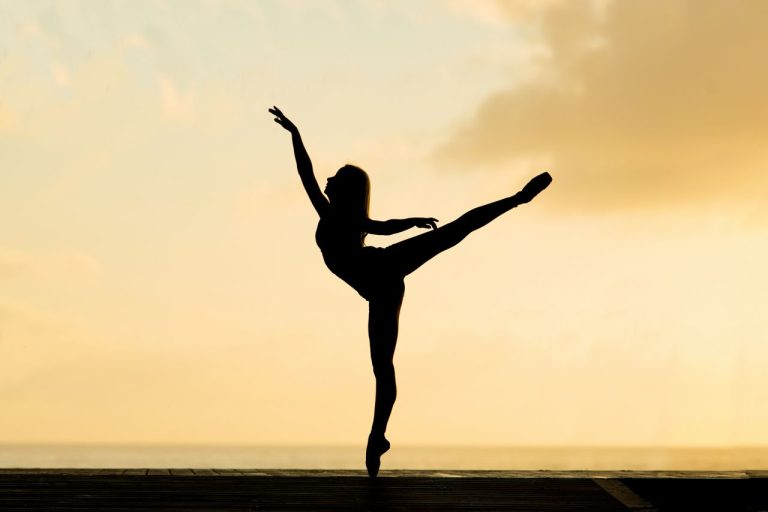
Are you a dancer? Tired of getting injured and pushing through pain?
Read on to find out how Ace Sports Clinic’s osteopaths can help you with preventing injury as a dancer.
Dancing is a beautiful art form and an amazing way to improve strength, agility, balance, and flexibility. Many children, adolescents, and adults use dancing as a means to express themselves, socialise, or as a form of exercise. As dancers advance, the hours get longer, the moves get harder, and the push for excellence may come at a cost. Injury can be an unfortunate complication of any sport, but it doesn’t have to be the end of a career in dance.
Here are the important things to note when it comes to performance optimisation and preventing injury as a dancer:
Load management
We can put a lot of injuries down to overuse, that is, overtraining and/or inadequate recovery.
Sometimes, the amount of hours in the week you are dancing is out of your control, especially if you are part of a school with established scheduling or you have upcoming exams or performances. What you can control is what you give back to your body to help facilitate recovery and build your capacity.
Think of your body as a cup; the cup gets filled up with load:
- hours danced (+ any other sports you do)
- stress
- lack of sleep
- poor nutrition
- lack of hydration
(to name a few).
In order to empty your cup, you need recovery, for example:
- foam rolling
- manual therapy – massage, osteopathy, physiotherapy
- rest
- mindfulness
- sauna, ice bath etc
When these two factors aren’t balanced (i.e. your cup is overflowing), injury or pain can occur.
It’s important to get to know your body’s signs of burnout; these can be things like excess fatigue, taking longer to recover from hard workouts, feeling unmotivated, etc. When you notice these symptoms, it’s especially important to implement recovery techniques and, if possible, alter your training load so that you have more days off between sessions.
In order to increase your capacity, you have to make sure you are getting adequate nutrition, hydration, and sleep, as well as priming your body with strength work.
Strength
As a dancer, sometimes the last thing in your mind is doing strength work when you’ve spent hours in the studio. However, building your foundations is an essential part of becoming an elite athlete, and that goes for dancers too. Not only does it help to reduce the risk of injury (when implemented correctly), but it will help you improve your craft and progress as a dancer. It’s important that strength is tailored to you and done in a fashion that won’t contribute to overload; that’s where our Physiotherapists, Osteopaths & Kinesiologists can help you.
Flexibility
Every dancer wants an over-split, but is this really what’s best for your body? Often, hypermobile people are attracted to performing arts because they have a natural affinity for flexibility. However, being hypermobile means a natural reduction in proprioception (your awareness in space), and it is harder to develop strength. These two factors make severe injury more likely. My point is that while having flexibility helps with injury prevention, pushing for flexibility is not the be-all and end-all, as having strength is what helps you develop flexibility safely.
For those who are not naturally flexible, holding your stretches for minutes at a time is not the safest way to improve it. In fact, studies show that a combination of stretching and eccentric exercises is a more effective way to improve flexibility safely by allowing you to contract muscles through bigger ranges of motion. Think of your arabesque or penché; you may be flexible enough for a great extension in theory, but if you don’t train the strength for it, then you won’t be able to hold it. Eccentric exercises are those that involve the working muscle getting longer with the contraction. It’s like going downstairs; your quads burn after a while because they are working hard, but they are lengthening while contracting (as opposed to a knee extension where your muscle is shortening while it’s working).
In summary… build your foundations by getting a tailored exercise program made for you, best done through a thorough assessment with a qualified Ace Certified Practitioner. Work on your flexibility safely; don’t push it. Lastly, you need to know where you can manage your load to avoid overworking. All these factors help reduce your risk of injury and will help you grow as a dancer.
Looking for more guidance on preventing injury as a dancer or help in dance injury rehabilitation?
Call us on 1-833-266-5223 or book online at www.acesportsclinic.com today.
Our Osteopathic Manual Practitioners are experienced in working with dancers.